Plumbing company services are increasingly linked to the energy performance of commercial buildings. A well-designed system can reduce pumping demand, limit hot-water losses and improve daily operational reliability. Plumbing should therefore be considered part of the building’s efficiency strategy from the earliest design stage.
Commercial properties rely on plumbing networks for water supply, drainage, hot water and equipment connections. Poorly planned pipe routes, excessive pressure and oversized equipment can increase operating costs over time. A coordinated design considers occupancy, water demand, building layout and equipment performance before installation begins.
Why plumbing design matters for commercial energy performance
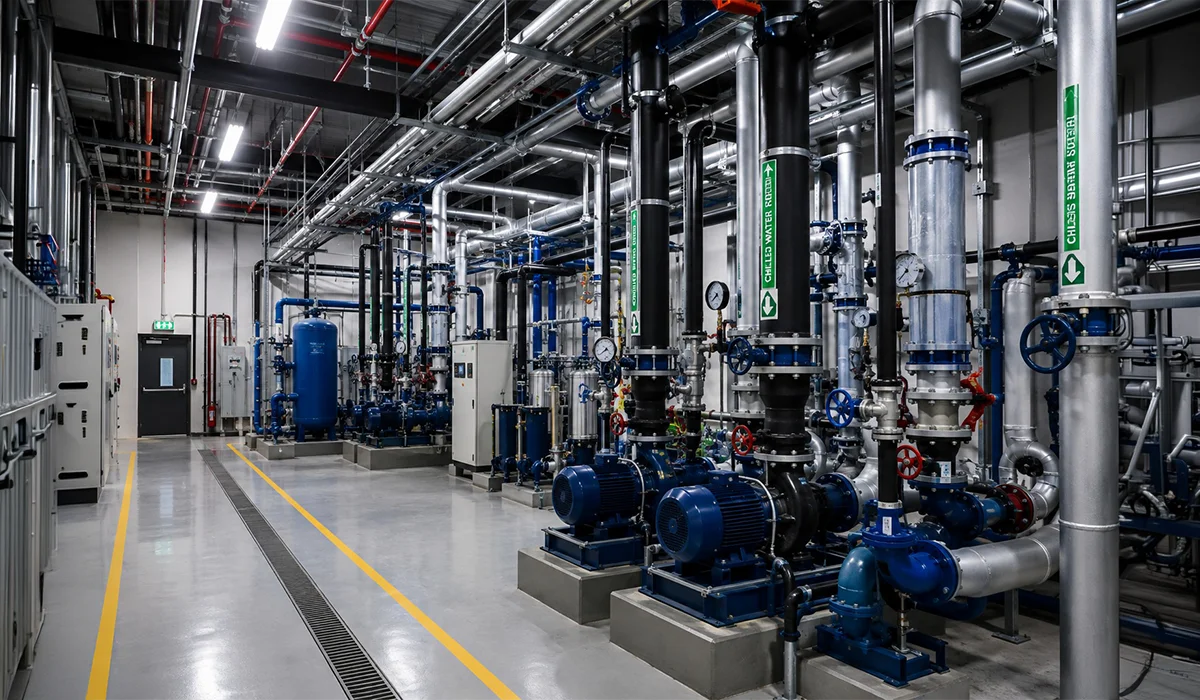
Water movement requires energy, particularly in taller buildings where pumps and pressure-boosting systems may operate for extended periods. Pipework with unnecessary bends or unsuitable dimensions can increase resistance and make equipment work harder. Correct hydraulic calculations help create a network that delivers the required flow without excessive energy use.
Pipe sizing is another important consideration. Undersized pipes can create pressure losses, while oversized arrangements may increase material costs and retain larger volumes of water within the network. Selecting suitable dimensions according to calculated demand can improve efficiency and overall system performance.
Hot-water distribution deserves equal attention because heating and circulating water can add considerably to energy demand. Shorter routes, effective insulation and suitable circulation controls can help retain heat between the plant room and outlets. These measures are particularly useful where hot water is required throughout the day.
Key design measures include:
- Selecting pipe diameters according to calculated demand.
- Reducing unnecessary bends and distribution distances.
- Positioning hot-water equipment close to major usage areas.
- Insulating hot-water pipework correctly.
- Using pumps with suitable operating controls.
Plumbing Company Services for Smarter Water and Energy Use
Efficient plumbing design should support maintenance as well as energy performance. Isolation valves, access points and equipment should be positioned so technicians can inspect or repair components without extensive disruption. This practical approach helps protect system performance throughout the building’s operational life.
Pressure management also has a major role. Excessive pressure can increase water consumption, place stress on fixtures and make booster equipment work harder than necessary. Proper zoning and pressure regulation allow different areas to receive suitable flow while avoiding unnecessary system demand.
Digital monitoring can further improve operational control. Flow meters, leak detection equipment and automated controls can reveal unusual consumption patterns or potential faults. Facility teams can investigate issues earlier instead of waiting for visible damage or a major performance decline.
Project teams should review:
- Expected occupancy and peak water demand.
- Pump efficiency and control requirements.
- Hot-water generation and distribution losses.
- Pressure requirements across different floors.
- Access for inspection and future upgrades.
The value of best plumbing maintenance services becomes clear after installation because efficiency can deteriorate when pumps, valves, heaters and fixtures are neglected. Regular inspection helps maintain the conditions established during the original design.
How system layout influences long-term operating costs
The physical arrangement of pipework can influence energy use and maintenance requirements. A compact, logical layout can reduce pipe length, pressure losses and heat loss, while poorly coordinated routes may increase pumping requirements. Good planning also makes future inspection and repairs more straightforward.
Coordination becomes particularly important where ceiling voids and service shafts contain several engineering systems. Early planning can prevent clashes between water pipes, electrical services, ventilation ducts and structural elements. It can also reduce late-stage alterations that affect project cost and technical performance.
For plumbing installation works, accurate drawings and careful site execution are essential. Installation quality affects pipe gradients, joint integrity, insulation and equipment connections. Small defects can eventually result in leaks, inefficient operation or avoidable maintenance work.
Drainage should receive similar attention. Poor gradients, inadequate venting or unsuitable pipe arrangements can contribute to blockages and operational problems. A properly planned drainage network supports reliable performance while reducing disruptive corrective work.
Improving hot-water efficiency in commercial buildings
Hot-water requirements differ between offices, hotels, healthcare facilities and other commercial properties. Applying the same arrangement to every building can lead to unnecessary energy consumption. Designers should consider where hot water is needed, the timing of demand and frequency of usage before selecting equipment.
Water heaters should be sized around realistic demand rather than excessive capacity. Oversized equipment can increase standby losses and may operate less efficiently when actual demand is low. Effective controls can match heating cycles more closely with occupancy and usage patterns.
Insulation is equally important. Heat can escape from poorly insulated pipes, particularly where distribution routes pass through cooler service areas. Suitable insulation helps retain useful heat and reduces the energy required to maintain target temperatures.
Choosing the right technical expertise
Businesses often work with plumbing Service Providers in UAE for new installations, upgrades and ongoing technical requirements. A capable provider should understand hydraulic calculations, equipment selection, design coordination and installation quality. This broader knowledge helps ensure efficiency considerations are maintained during execution.
For larger developments, plumbing contractors in UAE may need to coordinate with architects, structural teams and other engineering disciplines. Effective communication can prevent clashes, simplify installation and ensure the completed network reflects operational requirements.
An integrated engineering approach can provide further value. MEP engineering services bring plumbing requirements together with mechanical and electrical considerations. This coordination can identify conflicts and efficiency opportunities before construction begins.
Practical ways to reduce energy demand
Energy improvements do not always require complete system replacement. Targeted upgrades, improved controls and better maintenance can often address specific sources of inefficiency. The appropriate approach depends on the building’s age, occupancy, equipment condition and current consumption.
Practical measures can include:
- Replacing inefficient pumps with correctly sized models.
- Installing pressure-reducing devices where appropriate.
- Improving insulation around hot-water lines.
- Repairing leaking fixtures and concealed pipework.
- Reviewing water-heating schedules according to occupancy.
For larger properties, commercial plumbing services can support assessments, upgrades and continuing operational needs. Combining technical inspections with consumption data helps identify where investment can provide measurable improvements.
Connecting plumbing with wider building efficiency
Plumbing should form part of the wider engineering strategy rather than operate as an isolated service. Water supply, heating, ventilation, electrical systems and building controls can influence one another. Coordinated decisions can improve overall performance while reducing rework during construction.
For projects requiring multiple disciplines, MEP services in UAE can provide a coordinated framework for technical delivery. Better integration can improve equipment accessibility, reduce installation conflicts and support consistent building operation. It can also make future upgrades easier to plan.
A future-ready plumbing strategy should allow for changes in occupancy, additional fixtures and new monitoring technologies. Designing with adaptability in mind can reduce the need for expensive modifications later. This is particularly important for commercial buildings expected to operate for many years.
Conclusion
Plumbing company services can directly influence commercial energy performance through pipe sizing, pressure management, hot-water distribution and equipment selection. Efficient design can reduce avoidable energy demand while supporting reliable water delivery and easier maintenance. The strongest results are achieved when these decisions are addressed early rather than after construction problems appear.
A well-planned network provides benefits beyond immediate operational savings. It can improve maintenance access, support responsible water use and provide flexibility for future requirements. Treating plumbing as an important part of overall building performance helps commercial property owners create systems that are efficient, dependable and suitable for long-term operation.
For businesses seeking reliable plumbing company services, Lumens MEP provides professionally coordinated plumbing solutions designed around building requirements, system performance and long-term operational needs.
Frequently Asked Questions
Businesses should assess technical capability, relevant project experience, maintenance support and the ability to coordinate with other building disciplines. Clear documentation and a practical lifecycle approach are equally valuable.
Correct pipe sizing, shorter hot-water routes, suitable pressure control, effective insulation and efficient pumps can reduce unnecessary energy demand. Regular inspection helps preserve these improvements after installation.
Yes. Depending on system condition, improvements may include pump replacement, pressure control, pipe insulation, leak repairs and upgraded monitoring. A technical assessment can identify the most suitable measures.