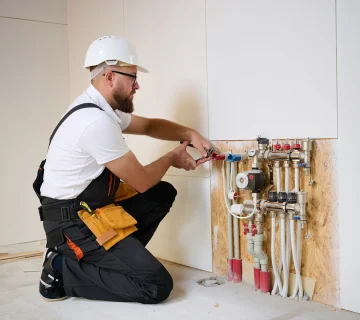
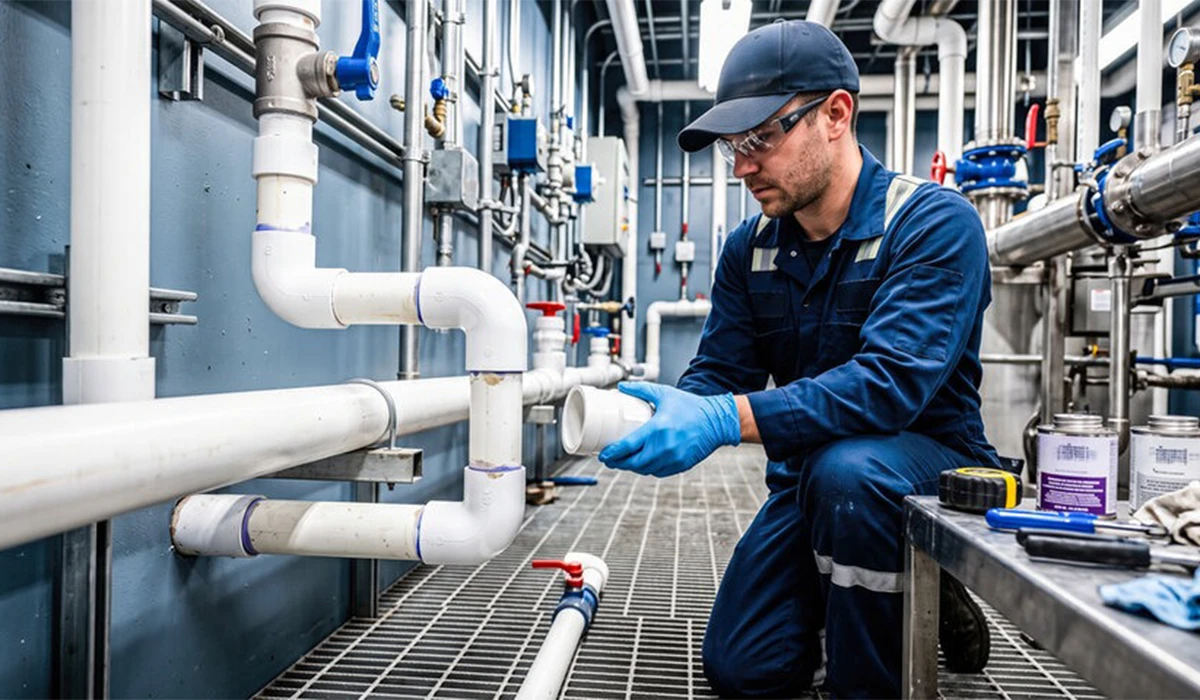
The best plumbing company is no longer defined only by the ability to repair leaking pipes or replace damaged valves. Smart buildings are changing expectations by connecting plumbing equipment with sensors, automated controls and building management platforms. These technologies provide property teams with a clearer view of water use, pressure levels and system performance before minor faults become disruptive failures.
Best Plumbing Company: What Makes Smart Plumbing Different?
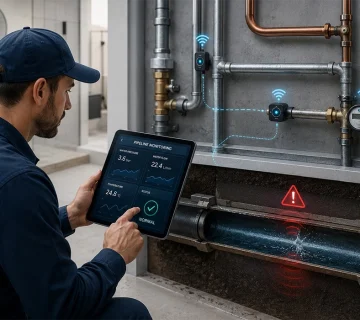
Traditional plumbing management often depends on routine inspections and reports from occupants. A connected system works differently because sensors can monitor flow, temperature, pressure and unusual consumption throughout the day. When readings move outside expected levels, the building team can investigate the issue earlier instead of waiting for visible damage.
The shift towards connected plumbing is particularly useful in larger properties where a small fault can affect several floors or operational areas. Data can help technicians understand when a problem started, identify the affected zone and decide whether immediate intervention is necessary. This makes maintenance more targeted and can reduce unnecessary disruption.
Smart plumbing platforms can support several practical functions:
- Leak detection through unusual flow patterns
- Pressure monitoring across critical zones
- Remote alerts for abnormal water consumption
- Digital records of recurring faults
- Performance tracking for connected equipment
For property owners, the value is not simply technological. Better information can improve planning, help maintenance teams prioritise urgent issues and provide evidence when recurring faults require a permanent solution.
How Smart Technology Supports Better Maintenance Decisions
Best plumbing maintenance services are increasingly moving towards condition-based care rather than relying entirely on fixed schedules. Instead of treating every component according to the same timetable, technicians can use operating data to identify equipment that needs attention sooner. This can reduce avoidable call-outs while keeping essential systems under closer observation.
Smart monitoring can be particularly useful for Plumbing contractors in UAE working on buildings with complex layouts. A digital dashboard can provide useful information before a technician reaches the affected area, allowing the visit to be planned with suitable tools and replacement components. This can make fault response more organised and reduce time spent diagnosing straightforward problems.
A plumbing maintenance company can use connected information to build a clearer history of system behaviour. Repeated pressure drops, unusual consumption or frequent pump activity may indicate an underlying issue rather than isolated incidents. Over time, these records can help teams identify patterns that would be difficult to recognise through occasional inspections.
Important benefits can include:
- Earlier identification of developing faults
- More accurate maintenance scheduling
- Better visibility across large properties
- Reduced dependence on manual readings
- Stronger records for maintenance planning
The Role of Water Data in Commercial Buildings
Commercial plumbing services increasingly involve more than fixing faults after they occur. Water data can reveal how different parts of a property behave during working hours, overnight periods and peak occupancy. Comparing these patterns can help facility teams spot unexpected usage and investigate potential leaks or inefficient equipment.
The same information can support sustainability targets without compromising operational reliability. A sudden rise in consumption may trigger an inspection, while consistent readings can provide reassurance that a system is operating within expected parameters. For businesses managing multiple sites, standardised digital reporting can make performance comparisons easier.
Smart systems can connect with wider building controls, giving facility managers a more complete view of how water-related equipment interacts with other services. This matters because plumbing performance can be affected by electrical supply, heating equipment, ventilation requirements and occupancy patterns.
Connecting Plumbing With Wider Building Systems
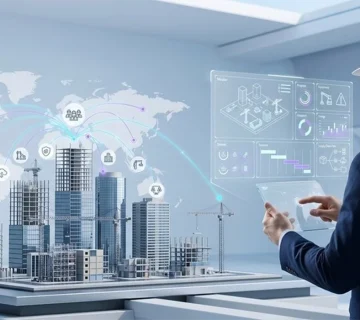
Contemporary plumbing technology requires integration into a greater technological context as opposed to standalone services. By communicating with other systems in buildings, the facility management can make decisions on the basis of a greater range of operational data. This can improve coordination during planned works and help identify conditions that may influence plumbing performance.
For complex properties, commercial MEP services can bring plumbing, electrical and mechanical considerations into one coordinated approach. Smart controls can provide useful information to different technical teams, helping them understand how one change may affect another part of the building. The result is a more connected method of managing infrastructure.
MEP services in UAE are increasingly influenced by digital monitoring because building operators want greater visibility over equipment performance. Connected systems can support central reporting and make it easier to identify unusual behaviour across different areas. This can be valuable where several technical systems operate continuously and require careful coordination.
How Smart Plumbing Can Improve Installation and Future Performance
MEP engineering services have an important role before smart plumbing technology becomes operational. System design needs to consider sensor locations, access for maintenance, communication requirements and compatibility with existing building controls. Planning these elements early can prevent expensive modifications later.
Plumbing installation works should therefore consider future monitoring rather than focusing only on immediate commissioning. A properly planned installation can leave suitable access points for sensors, valves and control devices while maintaining practical routes for inspection. This forward-looking approach can make later upgrades easier and reduce disruption.
A connected plumbing strategy can support several stages of a property’s lifecycle:
- Design teams can plan monitoring points before construction
- Installation teams can prepare equipment for future connectivity
- Facility managers can receive structured operational data
- Maintenance teams can use historical readings during fault diagnosis
- Owners can assess long-term system performance
The technology does not remove the need for skilled technicians. Instead, it gives them better information to work with, allowing practical experience to be combined with measurable system data.
Choosing the Right Approach for Smart Plumbing
Best plumbing company selection should involve more than checking whether a provider offers sensors or digital dashboards. Building owners should assess whether the proposed solution suits the property’s size, usage pattern, existing infrastructure and maintenance requirements. A technically impressive system may deliver limited value if staff cannot access, understand or act on its information.
Compatibility is yet another factor worth considering. New monitoring devices ought to be compatible with existing control systems as far as this is possible, whereas access to collected data has to be available to those who are authorised to receive it. The owners have to know what sort of data is to be gathered and how alerts are going to be handled.
Cost needs to be analyzed throughout the whole life cycle instead of just focusing on the cost of buying the equipment. Installation, calibration, software support, technician training, and upgrades can affect the value of smart plumbing systems. A clear maintenance strategy helps ensure that technology remains useful after the initial project is completed.
In the UAE, commercial properties can benefit from this approach where high occupancy, demanding operating schedules and complex infrastructure make early fault detection particularly valuable. The right technology should complement sound engineering rather than replace it. A practical system should remain easy for technicians and facility teams to operate.
Conclusion
Best plumbing company services are moving towards a more informed model in which real-time information supports practical maintenance decisions. Smart buildings can help property teams identify unusual water behaviour, understand equipment performance and respond to developing faults with greater precision. The strongest approach combines reliable plumbing infrastructure with appropriate technology, skilled technicians and sensible long-term planning.
For commercial properties, this change can improve visibility without replacing the fundamentals of good engineering. Smart monitoring works best when it is integrated into a carefully designed system and supported by professionals who understand both digital controls and physical plumbing. As buildings become more connected, intelligent water management is likely to become an increasingly important part of dependable property operations.
Lumens MEP handles complete plumbing works with a focus on system reliability, efficiency and long-term performance.
Frequently Asked Questions
Businesses should consider system compatibility, sensor coverage, data access, alert management and long-term maintenance support. The solution should match the property’s actual operational needs rather than adding technology without a clear purpose.
Yes. Sensors can identify unusual flow, pressure changes or consumption patterns that may indicate a leak. Alerts can then help maintenance teams investigate the affected area before the problem causes extensive disruption.
They can be, provided the existing infrastructure is assessed carefully. Some properties may need upgraded controls, additional sensors or staged installation to achieve reliable monitoring without major disruption.