
Smart MEP solutions are changing the way modern buildings are designed, operated and maintained. One of the technologies supporting this shift is the digital twin, which creates a virtual representation of a physical building, asset or system. By connecting design information with operational data, engineers and facility teams can gain a clearer understanding of how building services perform over time.
A digital twin is more than a three-dimensional drawing. It can combine information from building models, sensors, equipment and operational systems to provide a dynamic view of a property’s condition. When the information is accurate and properly managed, it can support better planning, performance monitoring and maintenance decisions.
Smart MEP Solutions and the Rise of Digital Twins
The technology becomes particularly useful when applied to mechanical, electrical and plumbing systems. Rather than examining each installation in isolation, a connected model can show how different systems interact within the same building. This broader view can help professionals assess energy use, equipment behaviour, indoor conditions and maintenance requirements together.
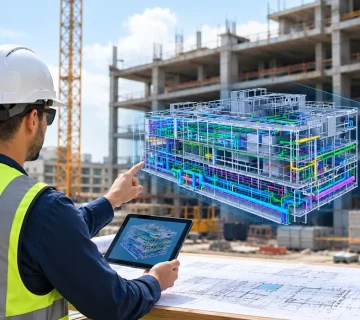
For designers, this approach can be useful before construction starts. Proposed systems can be reviewed digitally to identify coordination problems, restricted access or inefficient arrangements. Finding these issues during planning can reduce unnecessary changes later and improve the overall coordination of building services.
The benefits can continue after a property becomes operational. Information gathered from connected equipment can be compared with expected performance, allowing facility teams to identify changes in behaviour. This creates a stronger basis for deciding when equipment needs attention instead of relying entirely on fixed schedules.
Understanding the Difference Between a Building Model and a Digital Twin
A conventional building model mainly represents design information such as dimensions, layouts, specifications and equipment locations. A digital twin adds an operational layer by connecting the representation with information that can change as the building is used. Depending on the system, this may include temperature, energy consumption, equipment status and other performance indicators.
This additional information can support several practical activities:
- Tracking equipment performance
- Reviewing energy consumption
- Identifying unusual operating patterns
- Supporting maintenance planning
- Understanding relationships between systems
- Assessing potential improvement areas
The quality of the results depends on the quality of the information being collected. Inaccurate asset records or outdated system details can limit the usefulness of the platform. Proper documentation and regular information management are therefore important throughout a building’s lifecycle.
Supporting Better Engineering Decisions
MEP engineering services can benefit from this technology because engineers can assess systems with greater visibility of their operating environment. During the design stage, shared digital information can support coordination between different disciplines and highlight potential conflicts. During operation, the same information can help professionals assess whether equipment is performing as expected.
Consider an HVAC system operating in a large commercial property. An engineer may compare expected energy performance with actual readings and investigate unusual changes. The information does not replace professional judgement, but it can help direct attention towards areas that require closer assessment.
The approach can also be valuable during renovation work. Older properties may contain systems that have been modified several times, making their current configuration difficult to understand. A well-maintained virtual representation can make available technical information easier to access before upgrades or alterations begin.
Improving Design Before Construction Begins
One of the strongest advantages of this technology is its ability to support decisions before physical installation takes place. Designers can visualise proposed services and examine how equipment, ducts, pipes, cables and access routes interact. This is particularly useful for complex buildings where several systems must operate within limited spaces.
Early analysis can reveal issues such as:
- Equipment access restrictions
- Service clashes
- Difficult maintenance routes
- Inefficient equipment positioning
- Space limitations
- Coordination gaps between disciplines
Resolving these matters during design can be less disruptive than correcting them after installation. It can also give project teams a clearer understanding of how the finished building should operate.
Creating Greater Visibility Across Electrical Systems
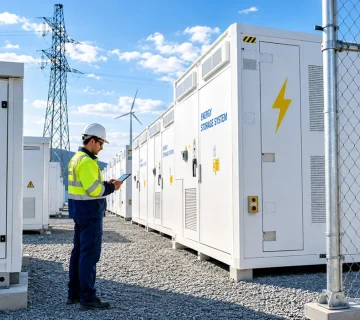
Electrical installation services can become part of a connected building environment when suitable monitoring technologies are incorporated. Information from meters, distribution equipment and other assets can provide insight into electricity consumption and equipment performance. This can help facility teams investigate unusual patterns and identify areas where further assessment may be worthwhile.
The historical information is particularly useful for larger properties. Comparing energy use across different periods can reveal patterns that may not be obvious during a single inspection. Facility teams can use these insights to investigate performance changes and make more informed decisions about upgrades.
Monitoring can also improve asset visibility. Instead of depending entirely on manual records, teams can have a structured source of information about important equipment. This can make future inspections, maintenance planning and replacement decisions more organised.
Moving From Reactive to Predictive Maintenance
Mechanical maintenance services can benefit from better visibility into equipment behaviour. When operational information is collected over time, gradual changes may become easier to identify before they develop into serious failures. Maintenance professionals can then investigate specific concerns rather than treating every asset in exactly the same way.
Prediction should not be overstated, however. Equipment performance can be influenced by workload, environmental conditions, component age, installation quality and many other factors. Digital technology should therefore support professional maintenance practices rather than be treated as a replacement for experienced technicians and engineers.
The practical advantage is improved prioritisation. If a machine begins showing unusual behaviour, the available information can help determine whether further inspection is appropriate. This can support more organised maintenance planning and potentially reduce avoidable disruption.
Supporting Building Performance in the UAE
The growing demand for MEP services in UAE reflects the need for buildings that can operate efficiently under demanding environmental and occupancy conditions. Connected building information can help organisations understand how systems behave in actual operating conditions rather than relying solely on original design assumptions.
For commercial properties, this can support decisions involving energy consumption, equipment performance and occupant comfort. Facility managers can review available information and identify areas where adjustments or further investigation may be required. Over time, this can contribute to more informed operational strategies.
It can also support long-term planning. As buildings adopt more connected controls and monitoring systems, owners need to understand how new technologies can work with existing infrastructure. A structured digital environment can make those integration decisions easier to assess.
Bringing Water Systems Into the Connected Building
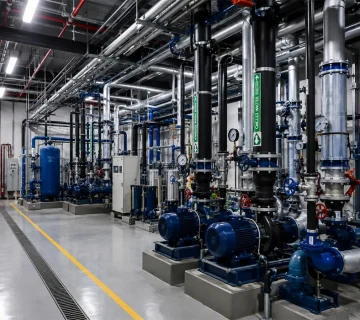
Plumbing contractors in UAE can play an important role when water systems are incorporated into a wider digital management strategy. Accurate information about pipes, pumps, tanks, valves and other components can make it easier for facility teams to understand the infrastructure they are responsible for maintaining.
Where suitable monitoring is available, water consumption data can provide useful operational insight. Unexpected changes may indicate a leak, equipment issue or unusual demand that deserves investigation. Early awareness can help reduce unnecessary water loss and support more efficient maintenance planning.
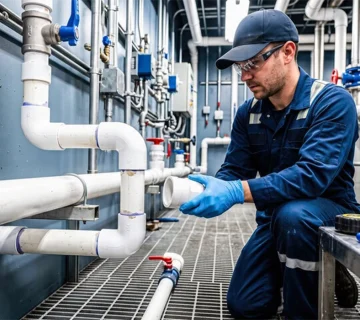
Accurate documentation also matters during future refurbishment. When existing plumbing information is organised and accessible, professionals can assess current conditions before introducing new equipment or modifying established systems. This can reduce uncertainty during project planning.
Smart MEP Solutions and Better System Coordination
Smart MEP solutions are increasingly focused on how building systems interact rather than treating each service as a separate installation. A connected digital environment can bring information from different systems together, helping professionals understand relationships that may otherwise be difficult to identify.
For example, a change in occupancy can affect cooling demand, lighting requirements and overall energy use. Reviewing these factors together provides a broader understanding of building performance. This can help facility teams make coordinated decisions rather than adjusting one system without considering its effect on another.
The same principle can be useful during refurbishment. Existing information can be reviewed before new controls, equipment or monitoring technologies are introduced. This provides a clearer starting point for integrating new systems with established infrastructure.
Preparing for Scalable Digital Building Management
Electromechanical contractors in UAE have an important role when connected technologies are introduced into building projects. Successful implementation involves more than installing sensors or creating a virtual model. Physical equipment, data sources, software platforms and maintenance procedures must work together in a practical and reliable way.
Before adopting the technology, businesses should consider:
- Building size and system complexity
- Existing monitoring infrastructure
- Accuracy of asset information
- Software integration requirements
- Staff capabilities
- Data management responsibilities
- Long-term maintenance objectives
Scalability should also be considered from the beginning. A system that is made to work for one attribute will soon need to be able to support other structures as well. This is where flexibility becomes important, since it can enable such an expansion without having to change the whole system.
The Future of Smart MEP Solutions
Smart MEP solutions are moving towards a more connected approach to building lifecycle management. Digital representations can preserve important information from the design stage while incorporating operational data as a property is used. This creates a more useful information base for maintenance, refurbishment and future performance decisions.
The next stage may involve closer integration between sensors, automation platforms, analytics and connected building models. As these technologies become more accessible, building owners can gain more opportunities to use operational information in practical ways.
However, technology alone cannot guarantee better building performance. The availability of dependable information, well-defined goals, and skilled professionals is important. What really makes it worthwhile is when the technology is used to solve real problems and make decisions that bring real benefits.
Conclusion
Digital twins are creating new possibilities for understanding building systems throughout their lifecycle. By connecting physical assets with structured digital information, engineers and facility teams can gain better visibility into design coordination, system performance, maintenance requirements and future upgrades.
For organizations working within the UAE, this strategy will enable better building management through the use of connected devices, which are becoming more prevalent. A combination of technology and good engineering can ensure that buildings are easier to manage and upgrade.
Ultimately, successful implementation depends on more than software. Accurate information, appropriate monitoring, reliable system integration and professional expertise are what turn a virtual representation into a useful tool for real-world building performance.
Lumens MEP provides tailored MEP solutions that combine engineering expertise, system integration and modern digital technologies to help businesses improve building performance, maintenance planning and long-term operational efficiency.
Frequently Asked Questions
A digital twin can combine building information with operational data to help teams monitor equipment, review performance changes and identify areas that may require investigation. It can support maintenance planning while leaving inspection and engineering decisions to qualified professionals.
Yes. Existing properties can adopt connected digital models when suitable building information and data sources are available. Additional surveying, documentation or system integration may be required before the technology can provide reliable operational insight.
Businesses should identify their objectives, available data, existing infrastructure and long-term maintenance requirements first. The selected technology should address practical building management needs rather than being introduced simply because it is a modern digital solution.