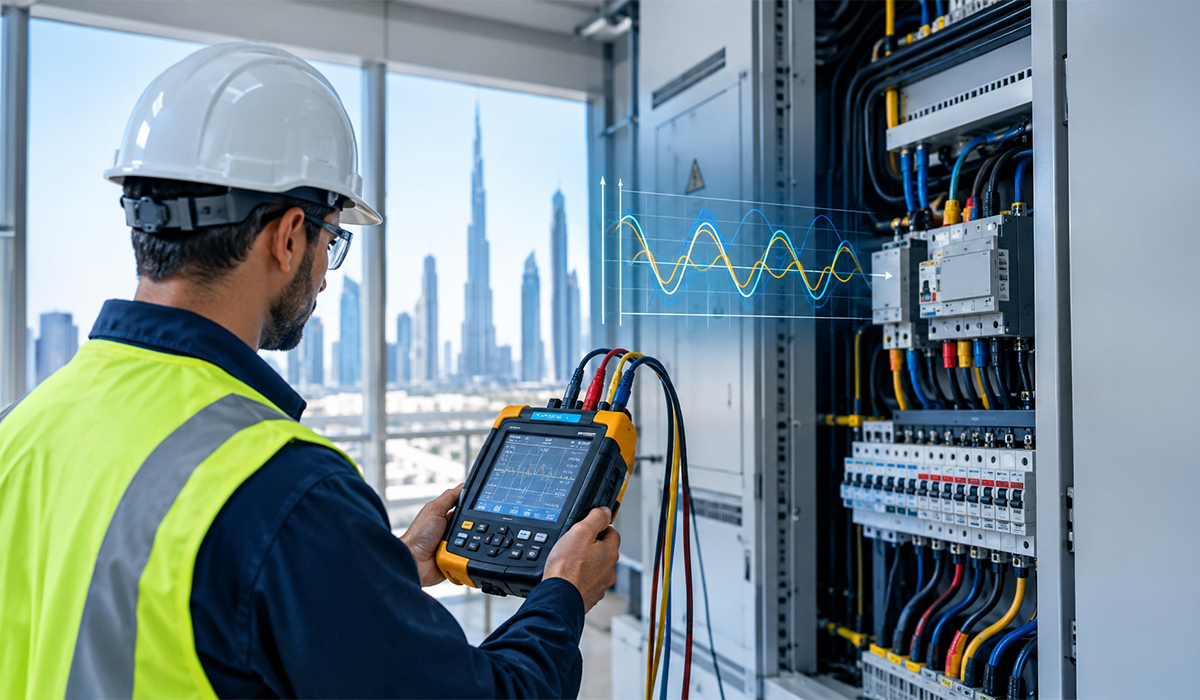
Electrical power quality is an important consideration for buildings that depend on sensitive electrical and electronic equipment. Modern properties in Dubai can operate HVAC controls, lifts, lighting systems, computers, pumps, automation equipment and communication systems at the same time. When the electrical supply experiences disturbances, even short events can affect equipment behaviour, interrupt operations and increase the need for technical investigation.
Power quality describes the characteristics of electrical power supplied to connected equipment. A suitable supply should maintain stable voltage, frequency and waveform conditions within appropriate operating limits. Large commercial buildings can have varied electrical loads operating throughout the day, making it important to understand how different equipment and operating patterns can influence the electrical network.
Understanding Electrical Disturbances in Building Systems
Electrical disturbances do not always result in immediate equipment failure. Some may appear as flickering lights, unexplained control faults, overheating or repeated equipment resets, while others may remain unnoticed until sensitive equipment begins to behave inconsistently. Identifying the type of disturbance is therefore an important first step towards understanding its potential effect.
Voltage fluctuations are one common concern. Changes can occur when large electrical loads start or stop, when demand varies significantly or when distribution conditions are not properly managed. Sensitive equipment may respond differently depending on its design, making it important to investigate actual operating conditions rather than assuming that every voltage variation represents the same problem.
Harmonic distortion can also affect buildings with numerous electronic loads. Computers, variable-speed drives, LED lighting, data equipment and other non-linear loads can introduce harmonic currents into the electrical system. Excessive harmonic levels may contribute to additional heating, transformer stress and unusual behaviour in equipment connected to the same distribution network.
Short-duration events present another challenge. Voltage sags, surges and transient disturbances may occur for a very brief period but can still affect electronic controls and sensitive devices. If such incidents happen intermittently, identifying the cause through normal visual inspections can be difficult.
Common electrical disturbances may include:
- Voltage fluctuations caused by changing electrical demand.
- Harmonic distortion created by non-linear electronic loads.
- Voltage sags and surges affecting sensitive equipment.
- Transient events associated with switching or other electrical activity.
- Unbalanced conditions that can influence three-phase equipment.
These conditions should not automatically be treated as the cause of every electrical fault. A structured technical assessment is necessary to determine whether a disturbance is significant and whether it is connected to the reported equipment behaviour.
Electrical Power Quality and Equipment Performance
The effect of an electrical disturbance depends largely on the equipment connected to the system. A motor-driven installation may respond differently from a computer network, while a sensitive control panel may react to a disturbance that has little visible effect on conventional loads. This makes equipment characteristics an important part of power-quality assessment.
A professional electrical services approach should consider the building’s operational profile before recommending corrective measures. Engineers can review the types of loads installed, their operating schedules and the areas where unusual equipment behaviour has been reported. This provides a more useful starting point than replacing components without establishing the underlying electrical condition.
Buildings in Dubai can contain a combination of commercial equipment, automated systems and high-demand mechanical installations operating within the same electrical network. Equipment symptoms such as repeated resets, unexplained alarms, inconsistent control responses or unusual heating may indicate that further electrical testing is warranted. However, these symptoms can have several possible causes, so they should be assessed alongside other technical information.
For example, a control system that repeatedly resets when a large motor starts may require investigation of the electrical conditions during that specific event. A lighting system that flickers only during periods of heavy demand may require a different assessment. Looking at when the problem occurs can therefore be just as important as identifying what the problem looks like.
How Electrical Systems Can Be Monitored
Power-quality monitoring involves collecting electrical data over an appropriate period so that engineers can observe conditions during different operating situations. A single reading may not capture an intermittent event, particularly when a disturbance occurs only during equipment start-up or periods of high demand. Longer monitoring can provide a more representative picture of actual system behaviour.
Electrical installation quality also provides an important foundation for reliable operation. Correct conductor sizing, suitable protective devices, appropriate earthing and properly coordinated distribution arrangements can all support stable electrical performance. Nevertheless, an installation can develop power-quality issues later when building loads change or additional electronic equipment is introduced.
Monitoring should therefore reflect how the property actually operates. Measurements may be compared during periods of high demand, normal operation and equipment start-up. This can help determine whether an issue is isolated to a particular circuit, associated with a specific piece of equipment or present across a wider section of the electrical distribution system.
A structured monitoring exercise may examine:
- Voltage levels and variations during different operating periods.
- Current behaviour when major equipment starts or stops.
- Harmonic distortion affecting the electrical waveform.
- Power factor changes under different load conditions.
- Short-duration events that may not be captured by routine inspections.
The purpose of monitoring is not simply to collect figures. The information should help engineers identify patterns, establish possible causes and determine whether corrective action is technically justified.
Managing Electrical Performance Through Maintenance
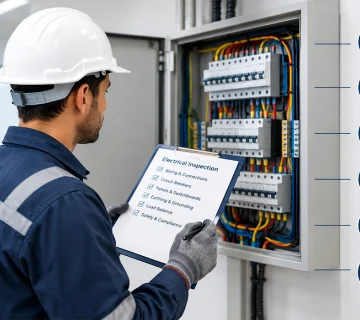
Electrical maintenance services can support the early identification of conditions that may influence electrical performance. Routine inspections can reveal loose connections, deteriorating components, overheating or other physical issues that might contribute to operational problems. Maintenance records can also help engineers compare recurring equipment faults with previous inspection findings.
The power factor deserves particular attention in larger properties with substantial electrical loads. A poor power factor can increase the current required to deliver useful power and may contribute to additional losses within parts of the distribution system. However, the reason for a poor power factor should be understood before any corrective equipment is introduced.
Power factor correction may be appropriate when measurements demonstrate a genuine requirement. Depending on the electrical network, solutions can include automatic correction equipment or other technically suitable measures. The selection should account for the nature of connected loads and the presence of harmonics, because an unsuitable correction strategy can create additional problems.
Power factor should therefore be considered as part of the wider electrical picture rather than treated as an isolated measurement. Reviewing load characteristics, harmonic conditions and equipment behaviour together can provide a more accurate basis for technical decisions.
Monitoring Sensitive Equipment and Intermittent Problems
Modern buildings rely increasingly on equipment containing electronic controls. Building automation, access systems, communication infrastructure, variable-speed drives and digitally controlled mechanical equipment may all respond to electrical disturbances in different ways.
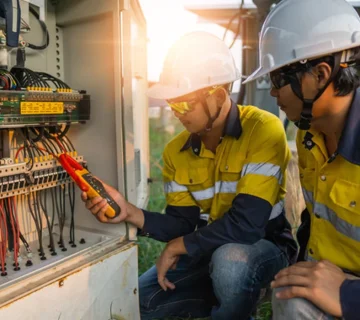
Power quality monitoring can help identify events that are difficult to capture during a conventional inspection. Monitoring equipment can record relevant electrical parameters over a selected period and allow engineers to compare unusual events with the timing of reported equipment problems.
This approach can be particularly useful when faults appear random. An issue may actually occur whenever a large pump starts, a motor changes operating condition or several major loads run simultaneously. Capturing the electrical event alongside the equipment response can make the investigation more focused and reduce unnecessary component replacement.
Monitoring can also support longer-term maintenance decisions. If measurements show that conditions remain within appropriate limits, building operators may avoid unnecessary corrective work. Where recurring disturbances are identified, the recorded information can provide evidence for determining the next technical step.
How Building Loads Influence Power Quality
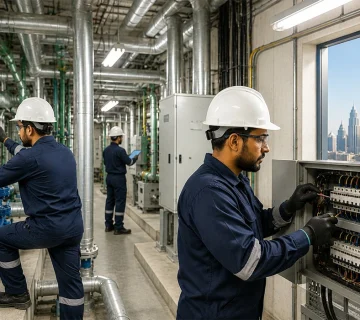
Power quality can change as building demand varies throughout the day. Large motors, pumps, chillers, variable-speed drives and other electrically powered equipment can create different load conditions when they start, stop or change operating levels. Understanding these operating patterns can help engineers investigate disturbances more accurately.
In Dubai, building demand can vary significantly according to occupancy, operating schedules and the use of major mechanical and electrical systems. Major equipment should therefore be assessed in relation to the wider electrical distribution system. A disturbance that appears to be an isolated equipment fault may occur only when a particular load operates or when several high-demand systems run simultaneously.
Monitoring these conditions can help establish whether the equipment is contributing to the issue or simply responding to an existing supply problem. This distinction is important when deciding whether corrective work should focus on the equipment, its circuit or another part of the electrical distribution system.
Selecting Corrective Measures Based on Evidence
Once monitoring identifies a power-quality issue, the response should address the underlying condition rather than simply treating the visible symptom. Depending on the findings, corrective measures could involve addressing an overloaded circuit, improving connections, balancing loads, reviewing equipment settings or managing harmonic conditions.
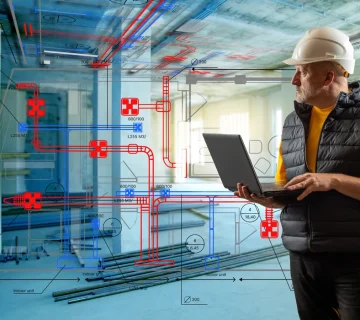
MEP engineering services can support this type of coordinated assessment by considering electrical requirements alongside the wider technical operation of the property. This can be useful where electrical disturbances influence HVAC equipment, pumps, controls or other interconnected systems. A combined approach can help ensure that corrective work is technically appropriate and maintainable.
Before selecting a solution, engineers should consider:
- What type of disturbance has been identified?
- Where does the disturbance originate?
- Which equipment is affected?
- Does the event occur continuously or under particular operating conditions?
- Is the issue limited to one circuit or affecting a wider distribution network?
- What measure will address the underlying cause?
This evidence-based approach can help property operators avoid unnecessary equipment replacement or unsuitable corrective devices. It can also create a clearer technical record for future maintenance and system planning.
Electrical Power Quality for More Reliable Building Operations
Electrical power quality should be considered as an ongoing aspect of electrical system performance rather than only a response to equipment failure. Changes in building loads, the growing use of electronic equipment and increasingly automated systems can alter how an electrical network behaves over time.
For properties with demanding operating schedules, monitoring can provide useful information about how the electrical system performs under real conditions. Identifying voltage variations, harmonics, transients and power-factor issues early can help engineers investigate problems before they develop into wider operational disruptions.
The most effective approach combines appropriate installation practices, targeted monitoring, regular inspection and technically justified corrective action. Rather than relying on assumptions, building operators can use measured information to understand electrical behaviour and make decisions based on the actual requirements of their property.
Conclusion
Reliable power quality is closely linked to the reliable operation of modern building equipment. Voltage fluctuations, harmonic distortion, transients, sags, surges and poor power-factor conditions can affect different systems in different ways, making accurate assessment essential before corrective measures are selected.
For properties in Dubai, a structured approach to monitoring and diagnosis can help identify intermittent problems, understand their causes and protect sensitive equipment from avoidable disruption. Combining electrical expertise with wider building-services coordination can support dependable performance while providing a practical basis for future maintenance and technical decisions.
Lumens MEP provides electrical and MEP engineering services to help businesses assess electrical system performance, investigate power-quality concerns and support reliable building operations.
Frequently Asked Questions
Poor electrical conditions can contribute to equipment resets, overheating, control faults and inconsistent operation. The actual impact depends on the equipment type, the characteristics of the disturbance and how frequently the event occurs.
Common causes include voltage fluctuations, harmonic distortion, switching events, unbalanced loads, transient conditions and unsuitable power-factor levels. Proper testing can help determine which condition is affecting a particular electrical system.
Monitoring can capture intermittent electrical events that may not appear during a single inspection. It gives engineers measured information that can be compared with equipment behaviour, helping them identify patterns and determine whether corrective action is necessary.