Electrical company professionals play a vital role in designing emergency power systems that protect people, property, and essential operations during unexpected outages. Across the UAE, businesses, healthcare facilities, commercial buildings, and residential developments rely on dependable backup power to minimise disruption and maintain safety. A carefully planned emergency power strategy also helps organisations comply with industry regulations while improving long-term operational resilience.
Electrical Company Planning for Reliable Emergency Power Systems
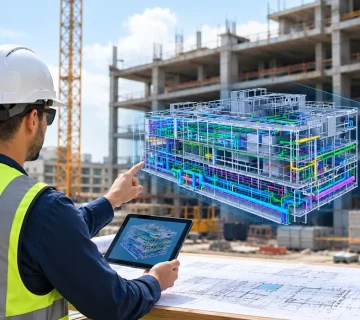
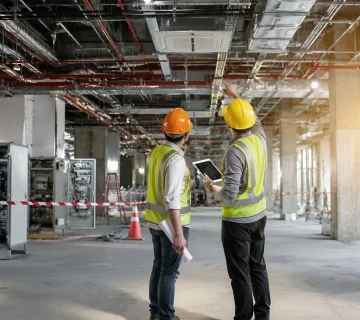
Every emergency power system begins with a thorough assessment of the building’s energy requirements and potential risks. Experienced engineers determine which systems must remain operational during a power failure and create practical solutions that suit the facility’s needs. Professional electrical contractors understand how different environments demand tailored backup arrangements rather than one universal design.
A detailed site survey identifies critical electrical loads, future expansion requirements, and possible vulnerabilities. This planning stage reduces the likelihood of system failure when emergency equipment is required most. It also supports efficient budgeting by preventing unnecessary equipment purchases and oversized installations.
Key planning considerations include:
- Identifying life-safety and mission-critical equipment.
- Calculating accurate emergency load requirements.
- Selecting suitable generator and UPS capacities.
- Allowing room for future electrical expansion.
- Ensuring compliance with local safety regulations.
Proper planning creates a strong foundation for dependable emergency power without compromising overall building performance.
Selecting High-Quality Components for Long-Term Performance
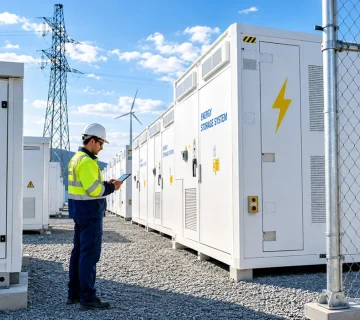
The quality of every component directly influences the reliability of an emergency power system. From switchgear and transfer switches to generators and distribution panels, every element should meet recognised quality standards. Investing in durable equipment reduces operational risks while lowering repair costs throughout the system’s lifespan.
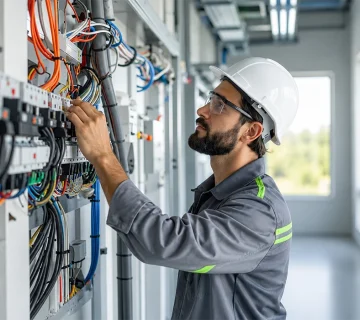
Professional installation teams also verify compatibility between existing infrastructure and newly installed equipment. Reliable electrical installation services ensure that every component works together efficiently without placing unnecessary strain on the electrical network. Careful integration helps prevent unexpected faults during emergency operations.
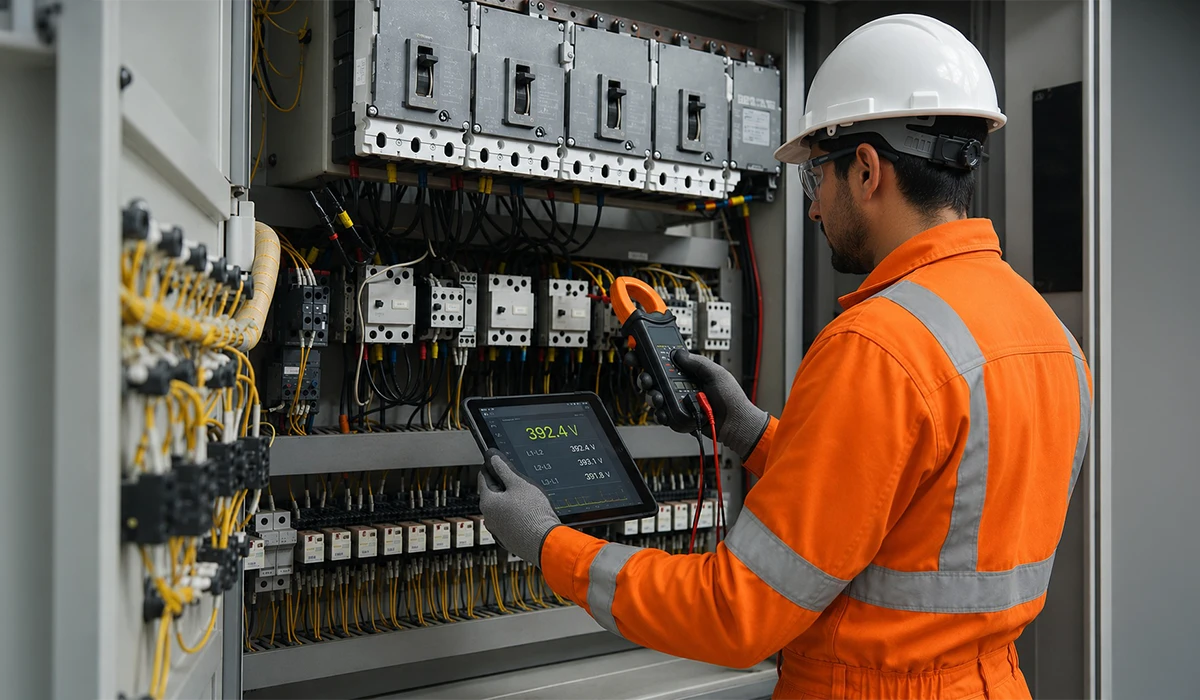
Modern monitoring technology further improves system reliability by providing continuous performance data. Building managers can detect abnormalities before they develop into major failures, allowing preventative maintenance rather than emergency repairs.
Electrical Company Maintenance Strategies That Prevent Failure
Even the best-designed emergency systems require regular inspections to remain dependable. Scheduled servicing ensures every component operates correctly under real emergency conditions rather than simply appearing functional during visual inspections. Preventative care significantly extends equipment life while reducing unexpected downtime.
Routine servicing should include:
- Generator performance testing under load.
- Battery condition inspections and replacements.
- Transfer switch operational verification.
- Fuel system quality assessments.
- Complete wiring and connection inspections.
Professional electrical maintenance services let technicians identify wear, corrosion or those loose connection issues, and ageing parts before the overall system performance. With maintenance handled consistently you get more surety that the reserve power will step in right away the moment the usual electricity fails.
Testing should also include operating circumstances, not just lean on basic start-up verifications. Full-load testing confirms that the arrangement can manage real emergency requirements without it getting overheated or showing voltage instability, in practice.
Integrating Emergency Power with Modern Building Infrastructure
Modern buildings lean on interrelated systems, and during any power interruption there needs to be careful coordination. Emergency power should keep supporting fire alarms, emergency lighting, communication equipment, access control, lifts, and the essential HVAC systems where they are required. When there is integration across these systems, occupant safety is improved while the day to day operations can keep going with less disruption.
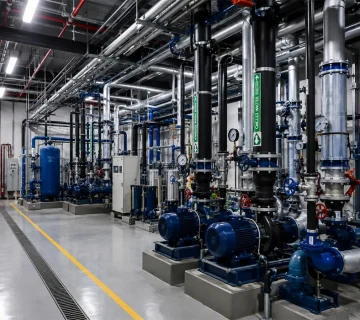
Comprehensive MEP solutions give a coordinated approach by bringing electrical, mechanical, and plumbing systems into one carefully controlled design. This combined planning helps lower clashes between different building services and makes later maintenance activities simpler to handle. It also boosts energy efficiency across the facility while keeping emergency preparedness intact.
Facilities across the UAE increasingly adopt intelligent automation systems that monitor electrical performance continuously. These digital platforms allow facility managers to respond quickly to developing issues while maintaining uninterrupted protection for critical operations.
Emergency Preparedness Through Staff Training and Operational Procedures
Technology alone cannot guarantee successful emergency power performance.Building personnel need to understand how the emergency systems work, and what actions are required during a power outage. When staff are well trained, they respond more confidently, and that reduces confusion, especially in high pressure situations.
Effective preparedness programmes often include:
- Scheduled emergency response drills.
- Clear equipment operating procedures.
- Defined staff responsibilities during outages.
- Regular communication system testing.
- Updated maintenance documentation.
Training should keep evolving with the equipment upgrades and those building modifications. Regular refresher sessions help make sure each team member stays familiar with emergency procedures, and all the safety protocols too. A proactive organisational culture strengthens the overall effectiveness of backup power systems.
Supporting Residential and Commercial Reliability
Emergency power needs can look wildly different between typical homes and larger commercial builds. In residential spaces people usually focus on lighting, refrigeration, medical gear, and security setups, but in commercial facilities they have to keep data centres running, manufacturing systems, plus those business-critical processes. Choosing the right approach means you really have to look at the situation carefully.
Reliable residential electrical services give homeowners solid backup choices that boost comfort and safety. Organizations might need several generators, backup power distribution that is excessive, and more advanced monitoring technology so work can continue without interruption.
Businesses throughout the UAE continue spending money into efficient infrastructure, because operational continuity has become increasingly more important in multiple industries too. Well designed emergency systems reduce the financial losses that can happen and they also help safeguard employees, customers and valuable assets, at the same time.
Working with Experienced Specialists for Reliable Outcomes
Emergency power systems involve detailed engineering, regulatory compliance and precise installation practices. Picking qualified professionals is important because at every stage of the project you keep meeting recognised safety standards, and you get dependable long-term performance as a result. There is also the practical side, expertise helps lower the chances of pricey design errors that could undermine emergency readiness later.
Comprehensive Electrical services extend beyond installation by supporting inspections, upgrades, system optimization, and ongoing technical advice.
Many organisations also benefit from integrated MEP services in UAE, where multiple building systems are coordinated under one experienced project team. This collaborative approach simplifies communication while improving overall project efficiency. Selecting experienced specialists creates confidence that emergency power systems will continue protecting facilities under demanding operating conditions. Long-term partnerships also make future upgrades and maintenance significantly more efficient.
Conclusion
Reliable emergency power systems happen because of careful planning, choosing the right caliber equipment, having it properly professionally installed, doing routine maintenance on time and keeping steady operational capability. Each stage plays a role in creating a safer atmosphere where critical activities stay online even when electrical interruptions show up without warning. Investing in experienced professionals today also helps lower future risks, while keeping dependable output across many years. In the end, a carefully made emergency power strategy helps guard people, business continuity, and valuable infrastructure with real confidence.
When dependable emergency power matters, Lumens MEP stands ready as your trusted Electrical company, delivering practical solutions built for long-term reliability.
Frequently Asked Questions
Professional planning ensures emergency power systems are correctly sized, properly integrated, and capable of supporting critical operations without unnecessary costs or performance issues.
Routine checks should be carried out according to the manufacturer’s guidance and the daily operating needs, plus periodic load tests to prove dependable performance when actual emergencies occur.
Equipment quality, regular maintenance, proper installation, accurate load calculations, staff training, and continuous monitoring all contribute to dependable long-term system performance.