
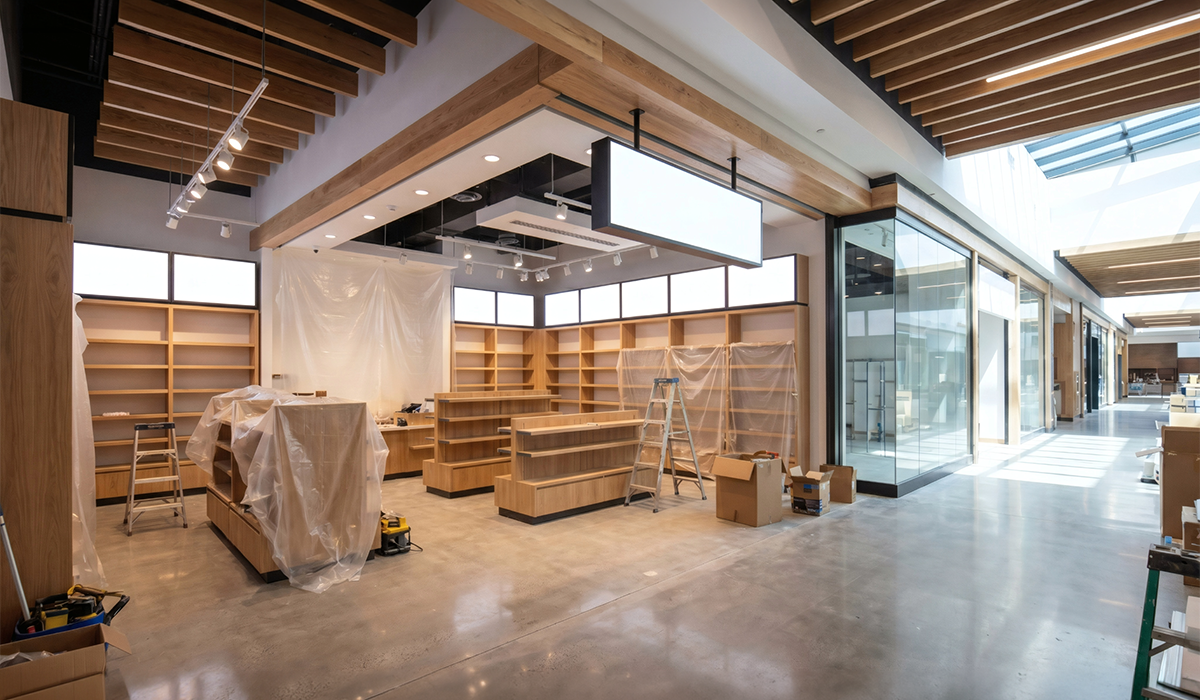
Commercial renovation is an important investment for businesses looking to improve their work environments, modernise outdated facilities, and create spaces that support long-term growth. As business requirements change, commercial properties often need improvements in layout, infrastructure, lighting, ventilation, and interior design. A carefully planned upgrade can improve daily operations, enhance employee comfort, and create a positive impression on customers and visitors. Understanding the essential stages of renovation helps property owners make informed decisions, manage expenses, and achieve better results.
Contents
- 1. Why businesses invest in commercial property upgrades
- 2. Planning a successful renovation project
- 3. Important areas to consider during building improvements
- 4. Selecting experienced professionals for quality results
- 5. Improving building efficiency through engineering solutions
- 6. Choosing materials and modern design features
- 7. Managing project costs and operational disruption
- 8. Conclusion
- 9. Frequently Asked Questions
Why businesses invest in commercial property upgrades
Commercial properties lose their appeal and performance after years of use. Interior layouts, damaged flooring, lighting, and ageing equipment can cause challenges for employees and guests. Improvements to these areas preserve the business focus and performance.
Commercial renovation offers the opportunity to improve space utilization. Businesses can change the layouts of workstations, create new collaboration areas, upgrade meeting spaces, and reallocate their floor space for greater efficiency. Most importantly, commercial renovation can increase productivity and improve customer experience.
Planning a successful renovation project
Being prepared for your construction or renovation project is important. Before starting any project, you need to know the state of your building and your renovation needs. Property owners also need to set renovation goals and priorities while maintaining a realistic renovation budget. Preparation avoids unnecessary changes to the building and will ensure a clear renovation direction.
Businesses planning to renovate commercial building facilities should consider several important factors:
- Building assessment to identify structural defects and outdated installations.
- Budget planning to estimate materials, labour, equipment, and additional expenses.
- Space planning to determine suitable layouts and functional requirements.
- Project scheduling to minimise interruptions to normal business activities.
- Approval requirements to ensure compliance with applicable building regulations.
A detailed plan makes it easier to coordinate different activities and monitor progress. It also allows stakeholders to understand project expectations before construction begins.
Important areas to consider during building improvements
Every commercial property has different requirements depending on its purpose, size, occupancy, and operating conditions. Offices may require modern workstations and improved meeting facilities, while retail environments may benefit from better lighting, attractive displays, and improved customer movement. Hospitality facilities often require durable finishes, functional layouts, and reliable building services.
When renovating a commercial building, property owners should evaluate both visible improvements and essential infrastructure. Mechanical, electrical, and plumbing installations must be inspected to determine whether they can support the building’s future requirements.
Key improvement areas include:
- Electrical systems, including distribution boards, wiring, sockets, and lighting.
- HVAC installations to improve temperature control and ventilation.
- Plumbing networks covering water supply, drainage, and sanitary facilities.
- Interior finishes such as flooring, ceilings, partitions, and wall coverings.
- Fire safety installations, emergency lighting, and other essential protective systems.
Considering these elements together helps create a functional property where different building services operate efficiently.

Selecting experienced professionals for quality results
When carrying out a project, renovation contractors contribute a lot to the end product. Renovation Contractors are skilled at interpreting blueprints and interpreting construction and installation methods. Because of this, their presence greatly decreases the likelihood of a project having to be done more than once.
Clients are advised to thoroughly research prospective contractors. Important things to consider when assessing a candidate are past work, technical skills, a prospective contractor’s employees, safety, and client relations. Good clients should also look at the schedule and how much a project will cost to help set boundaries and avoid unnecessary disputes. Providing regular project updates and being available for communication are the most effective ways to manage a client’s expectations.
Improving building efficiency through engineering solutions
All modern commercial building designs must have a solid foundation of MEP systems (Mechanical, Electrical, Plumbing). Having HVAC, Power Distribution, Lighting, and Water systems controls increases the comfort and efficiency of a building. It is easy for older building systems to become wasteful with excessive energy usage and an increase in maintenance requirements.
An experienced company can do renovation services in Dubai by installing more efficient MEP systems with upgrades to the interior. Using upgraded systems with improved controls, along with new lighting, efficient HVAC systems, and new plumbing, can help lower the waste of energy. The improvements can create healthier environments for the occupants of the building and lead to more reliable building operations.
Coordination between engineering and construction teams is essential during installation. Equipment locations, ceiling arrangements, electrical routes, and plumbing connections should be planned carefully to avoid conflicts. Testing and commissioning after installation help confirm that upgraded systems function correctly.
Choosing materials and modern design features
Material selection affects the appearance, durability, maintenance requirements, and overall cost of a commercial property. High-traffic environments require finishes that can withstand frequent use without deteriorating quickly. Flooring, wall coverings, ceilings, doors, and fixtures should therefore be selected according to the building’s intended purpose.
An experienced renovation company can help property owners compare materials based on quality, suitability, availability, and maintenance requirements. Practical options often provide better long-term value than materials selected purely for appearance. Modern features such as adaptable partitions, smart lighting, acoustic treatments, and integrated technology can also make commercial spaces more flexible.
Managing project costs and operational disruption
Construction activities can affect business operations when noise, dust, restricted access, or temporary service interruptions are not properly managed. A structured schedule helps reduce these challenges by identifying suitable working hours and dividing the project into manageable phases. Businesses can also establish temporary work areas where necessary.
Regular inspections and progress meetings help maintain quality and identify potential delays. Property owners should monitor material deliveries, labour requirements, and completed work against the original project schedule. Keeping contingency funds available also helps manage unexpected expenses without compromising essential improvements.
Conclusion
A well-executed commercial renovation can transform an outdated property into a modern, functional, and efficient business environment. Careful planning, suitable materials, professional engineering, and effective project management all contribute to successful results. By improving both interior spaces and essential building infrastructure, businesses can create comfortable environments, support daily operations, and maintain long-term property value.
Lumens MEP delivers professionally coordinated engineering and building improvement solutions to support quality commercial property upgrades.
Frequently Asked Questions
The timeline depends on the property size, project complexity, materials, and extent of required modifications. Smaller interior improvements may take a few weeks, while extensive projects can require several months.
Businesses should establish a detailed budget, prioritise essential improvements, compare material costs, and allocate contingency funds. Monitoring expenses throughout the project also helps prevent unnecessary spending.
Yes. Depending on the project scope, construction can be arranged in phases or scheduled outside regular business hours. Proper planning and temporary workspace arrangements help minimise interruptions.
