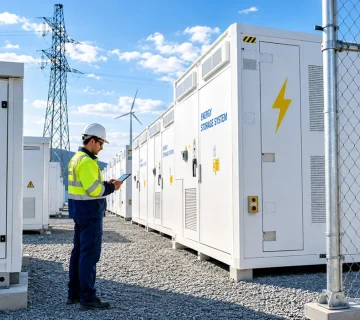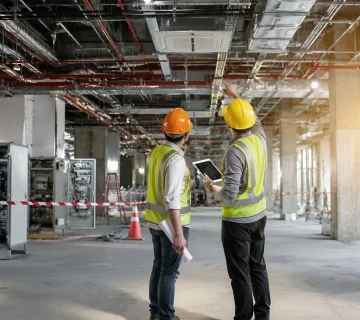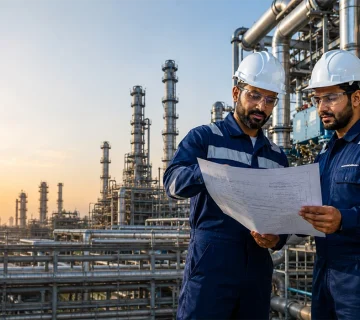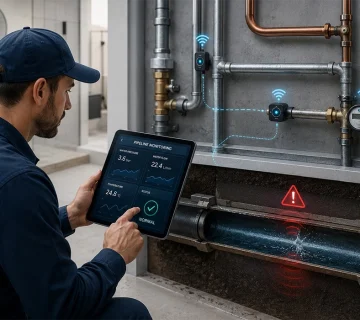
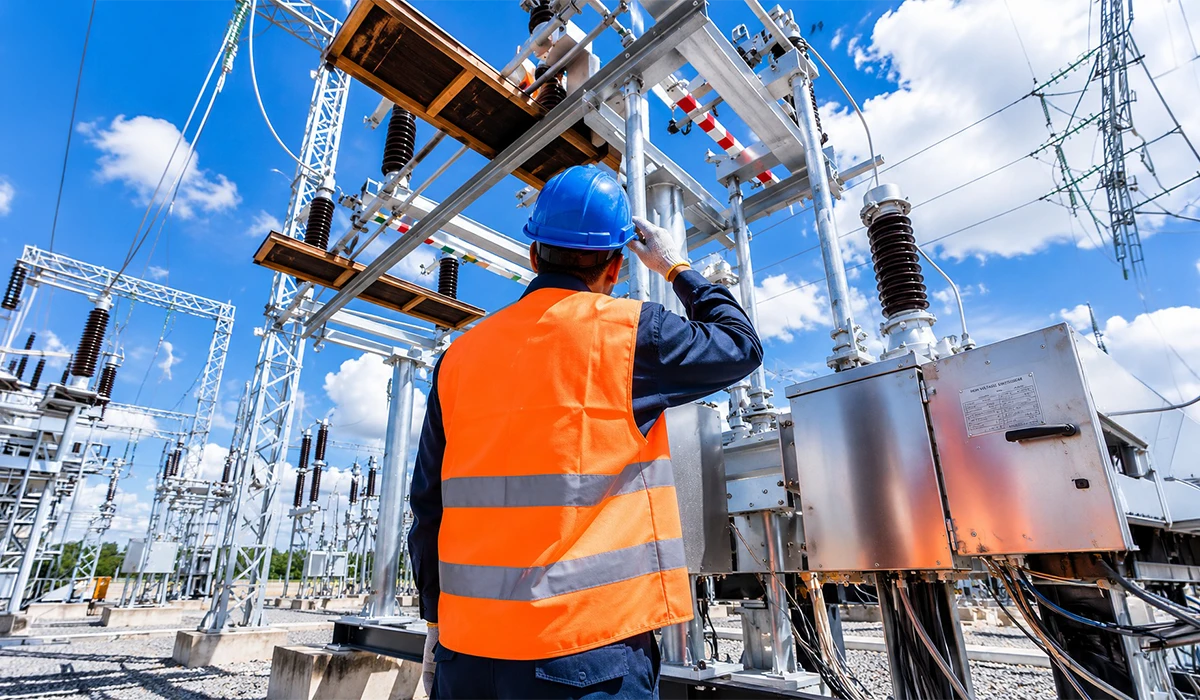
Electrical Contractors in UAE are no longer limited to carrying out wiring and installation tasks within commercial and residential buildings. As construction projects become more sophisticated and technology-driven, their responsibilities have expanded significantly across multiple sectors. Today, these professionals contribute to project planning, system integration, energy management, and long-term operational efficiency.
In the UAE, rapid urban development and increasing demand for smart infrastructure have transformed expectations within the construction industry. Modern projects require specialised expertise that extends far beyond conventional electrical work. This shift has positioned contractors as valuable contributors throughout the entire project lifecycle.
Electrical Contractors in UAE and Their Evolving Responsibilities
The construction sector has undergone significant changes over the past decade. Buildings are becoming more complex, with interconnected systems that require careful coordination and technical precision. As a result, contractors are now involved in strategic decision-making from the earliest stages of development.
Modern businesses increasingly depend on reliable infrastructure to support operational performance. This growing demand has encouraged providers of electrical services to expand their capabilities and offer solutions that align with evolving project requirements. Their role now includes supporting efficiency, sustainability, and technological integration.
Rather than focusing solely on installation activities, these professionals contribute to several critical project areas:
- Technical planning and system design support.
- Energy efficiency and optimisation strategies.
- Integration of advanced building technologies.
- Long-term maintenance planning and risk reduction.
These expanded responsibilities help improve project outcomes while supporting operational reliability. Their expertise often influences both construction quality and future building performance.
Supporting Smart Infrastructure and Modern Developments
The rise of intelligent buildings has created new opportunities for specialised contractors. Property developers increasingly seek integrated solutions that enhance functionality, efficiency, and occupant comfort. This requires technical professionals who understand both traditional systems and emerging technologies.
Many organisations now rely on electrical installation services that accommodate smart automation platforms and digital monitoring systems. These solutions help property owners manage energy consumption while improving operational visibility. As technology adoption continues to grow, demand for specialised expertise is expected to increase further.
Modern infrastructure projects frequently require coordination between multiple technical disciplines. Successful execution depends on effective collaboration among engineers, consultants, and project teams. This integrated approach helps ensure that all systems operate efficiently within a unified framework.
Several technologies are influencing the changing responsibilities of contractors:
- Smart lighting and automated control systems.
- Advanced power monitoring solutions.
- Building management platforms.
- Energy-efficient electrical infrastructure.
These innovations have boosted the value that technical specialists bring into construction projects. Their involvement backs immediate project aims as well as enduring operational plans. At least that’s the idea in practice.
The rising complexity of projects throughout the country highlights the need for extensive coordination efforts. Contractors frequently work together with consultants, and other specialists, in order to verify that infrastructure performs exactly as intended.
Their contribution extends well beyond installation activities and into broader project success.
How Electrical Contractors in UAE Add Strategic Value Beyond Electrical Installations
In today’s building setting there is a need for even more collaboration between stakeholders than before. The technical specialists are now seen more often as strategic partners, instead of only service providers, and it helps to think about them that way. Their know-how backs better choices across the entire development timeline.
Many developers bring in electrical engineers during the planning phase, to identify expected obstructions before any construction starts. By getting them involved early you can prevent expensive rework while also raising overall project flow efficiency. This proactive approach also supports better resource allocation and risk management.
The role of contractors has become closely aligned with broader building performance objectives. Rather than addressing electrical requirements in isolation, they contribute to integrated project strategies. This collaborative mindset helps achieve greater consistency across multiple building systems.
Key areas where contractors add strategic value include:
- Supporting project feasibility assessments.
- Enhancing system reliability and resilience.
- Identifying opportunities for operational savings.
- Contributing to sustainability objectives.
These contributions demonstrate how the profession has evolved beyond traditional technical functions. Their expertise now supports commercial, operational, and environmental priorities simultaneously.
Some projects that need comprehensive MEP solutions usually rely on secure coordination between the different engineering areas, because if one team drifts the other side suffers. In practice, electrical systems have to run seamlessly next to mechanical work and plumbing infrastructure, so the whole building performs with less friction. When people collaborate well there is better efficiency and also more reliable outcomes for the structure, generally.
Driving Efficiency Through Integrated Engineering Approaches
As infrastructure requirements get more and more sophisticated, integrated engineering practices have started to matter a lot. In current projects, the needed technical expertise supports not only the construction execution but also the long run building performance. When everything is planned together, the work tends to feel more refined, like less friction between phases and later outcomes. This shift has expanded the responsibilities of industry professionals significantly.
Many developers end up seeking specialist support through MEP engineering services, just to be sure every building system comes together in a coherent way. Integrated planning helps reduce clashes between disciplines but also improves the overall project outcomes. The final result becomes a more streamlined and efficient construction process, and honestly it often runs smoother when you get into the real work.
The increasing effort for sustainable infrastructure has also influenced what companies expect. Organisations are giving priority to solutions that cut energy use and lift day to day operational efficiency. Technical specialists play a key role in helping projects reach these aims, and they make decisions a bit more precise.
Across the country, large-scale developments increasingly depend on coordinated MEP services in UAE to manage complex infrastructure requirements. Effective integration allows buildings to operate more efficiently while supporting future scalability. This approach has become particularly valuable in commercial, industrial and mixed-use projects.
Successful project delivery often needs a lot of teamwork with seasoned MEP contractors who know how the various building systems relate together, and how they all play off each other in practice.
Their expertise helps minimise disruptions while supporting compliance with project specifications. Strong coordination contributes directly to construction quality and operational reliability.
Many organizations also lean on properly trained electrical contractors to help with critical infrastructure projects, where performance and dependability are crucial. Their technical insight keeps the systems aligned with day to day operational needs, while also upholding safety levels and boosting overall efficiency standards.
An experienced MEP company can also make project results better, by bringing together integrated knowledge across a few different disciplines. This kind of shared effort helps with clearer communication, smoother workflows, and better building performance through the entire asset lifecycle.
The ongoing evolution within the construction sector shows, in a practical way, how professional duties are extending, and it looks a bit broader than before. Technical specialists are now increasingly taking part in planning activities, optimisation, and shaping long term infrastructure strategies. Their rising influence reflects the shifting requirements of modern development projects.
Conclusion
The role of electrical contractors in UAE has grown way beyond classic installation duties. Now they help with smart infrastructure, blended engineering solutions, energy efficiency programs, and the long run results for major projects. When construction programs become more advanced, their know-how keeps backing new ideas, steady operations, and responsible growth throughout the country. Companies that bring capable professionals into the process early usually end up with stronger project results and a more future ready direction. It seems like, when the skilled people arrive earlier rather than later.
At Lumens MEP, we deliver comprehensive electrical services that support smart infrastructure, energy efficiency, and long-term operational performance.
Frequently Asked Questions
Their responsibilities now extend beyond installations to include project planning, system integration, energy optimisation, and support for smart building technologies.
Integrated engineering helps ensure that electrical, mechanical, and plumbing systems work together efficiently, reducing conflicts and improving overall building performance.
They help implement energy-efficient systems, support infrastructure optimisation, and contribute to strategies that improve long-term operational efficiency.