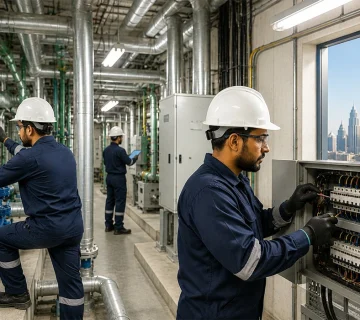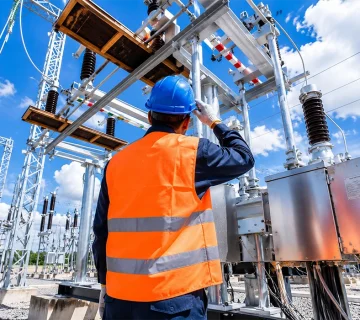
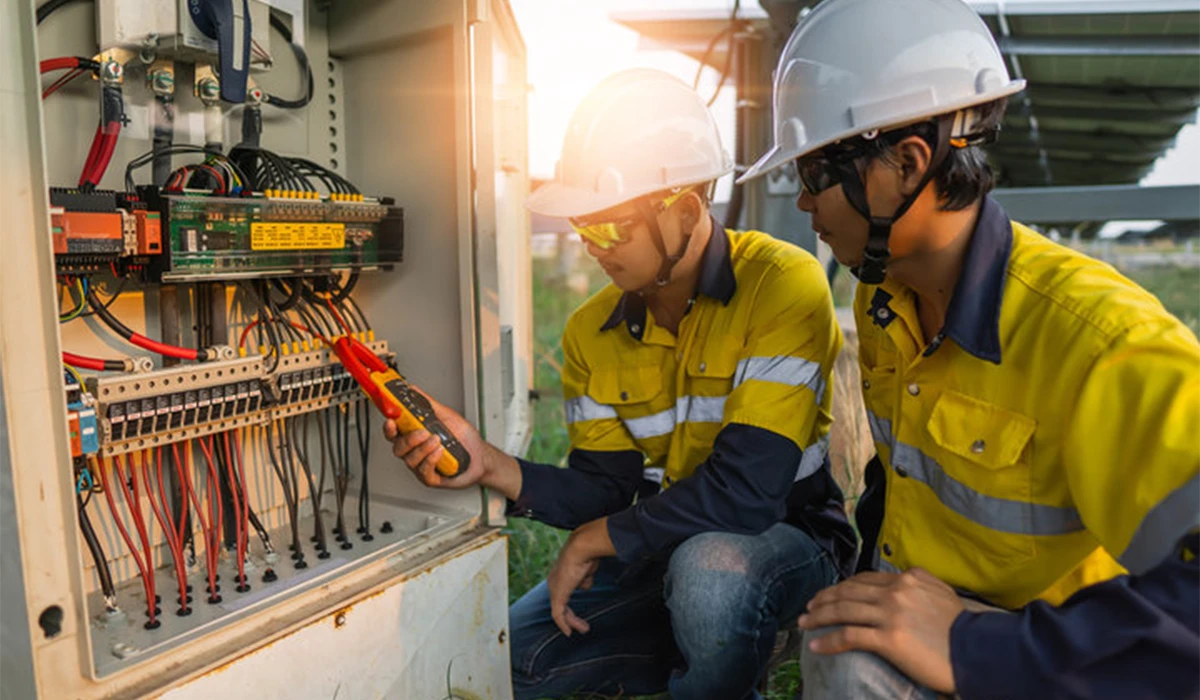
The future of electrical services is driven by intelligent technologies and sustainable practices. In the UAE, rapid urban development is driving the adoption of smarter infrastructure. The sector is evolving to meet modern demands through innovative and adaptable electrical solutions. This shift not only boosts productivity but also changes how people use energy daily.
Electrical Services Driving Smart Infrastructure Development
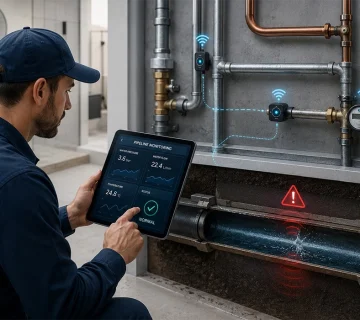
The integration of smart systems is a key feature of modern buildings, with developers adopting IoT– enabled devices and AI-based platforms to create responsive and adaptive environments. These technologies enable real-time monitoring to improve system performance and reduce inefficiencies. Consequently, structures are evolving to become not only more accommodating but also more efficient.
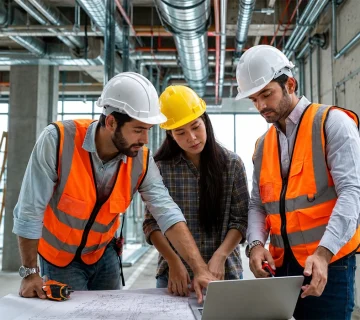
Smart development depends on electrical companies working closely with architects and engineers. This team effort is essential for automation systems to be properly integrated into projects. Beyond improving energy efficiency, their work enhances living standards in modern construction.
Main characteristics of smart electrical systems encompass:
- Automated lighting and temperature control to help maximize efficiency
- Energy usage measurement and tracking with live monitoring
- Integration with renewable energy sources
- Data-driven predictive maintenance to improve safety
The future success of the sector in the next few years will depend heavily on how efficiently systems can be scaled and how innovative the new ones can be. Rapid urbanization is increasing the demand for intelligent systems. Therefore, scalable and innovative solutions are becoming essential. Therefore, such progress continues to back not only good environmental conservation perpetually but also better living and working environments with improved infrastructure.
Transforming Homes with Advanced Technologies
Modern homes increasingly rely on residential electrical services to become smarter. Thanks to automation, homeowners can easily control the lights, appliances, and even security systems. These systems enhance convenience while optimizing overall energy usage. The region is witnessing a rise in the demand for such lifestyle solutions.
Today, residential electrification goes beyond basic wiring and installation. Modern electrical solutions now include smart home integration, energy-saving devices, and advanced safety systems. With these upgrades, homes will be functional as well as future-ready. Homeowners are now prioritizing sustainable and future-ready electrical upgrades.
The advantages of smart residential systems are:
- Decrease in energy consumption and lower utility bills
- Increased security through automated alerts
- Improved comfort through remote control features
- Enhancement of property value through contemporary improvements
The rise of smart residential systems points to a broader trend: the growing impact of smart home technologies. These innovations can make homes more efficient, sustainable, and energy-conscious
The Role of Electrical Services in Supporting Commercial and Industrial Growth
Commercial electrical services are widely adopted by businesses as an effective way to improve operational efficiency. Automated lighting, power management and other smart systems are becoming a necessity in commercial buildings. These systems help businesses streamline operations and improve overall performance. This trend is especially evident in the regional market.
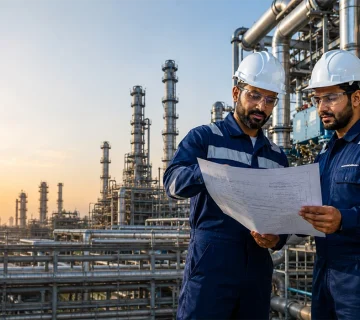
On the other hand, industrial areas are also receiving great results from industrial electrical services that provide technical support for large operations. Automation enables real-time monitoring of machinery and factory processes, minimizing the risk of system failures This results in more reliable operations and reduced downtime. These solutions ensure long-term success in the industrial sector
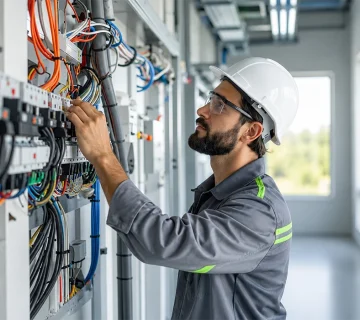
Electrical contractors hold a critical position in terms of the implementation of these technological systems. They make sure that any new facilities are installed in accordance with both safety and operational standards. With the increase in project complexity, their function also grows significantly.
Key advantages for commercial and industrial sectors include:
- Improved efficiency through automation
- Reduced energy costs with smart management
- Enhanced safety with monitoring systems
- Increased productivity with reliable power supply
These developments highlight the importance of modern systems in driving economic growth and innovation.
The Role of MEP Integration in Modern Developments
MEP companies in Dubai provide complete solutions for mechanical, electrical, and plumbing systems. Integrated systems improve coordination and ensure smoother building operations. The system supports the development of environmentally friendly infrastructure.
The construction projects now use MEP services in Dubai to improve building operations. The services work to achieve efficient system design through implementation of advanced technologies. The system provides better energy management which results in higher comfort levels for building occupants. Large-scale projects need this type of system integration to coordinate their operations.
The increasing requirements for commercial MEP services in buildings demonstrate the industry demand for integrated building systems. The services guarantee system functionality which begins from design development and continues until execution. The industry has adopted this method as a fundamental element of contemporary building construction methods.
The main elements that lead to successful MEP system integration involve these fundamental components:
- Designing systems to work together while achieving high operational performance
- Sustainability through the implementation of energy efficiency solutions
- The system uses automated processes to create smooth operational workflows
- The system achieves safety requirements through its design
Through these strategies building design now relies on integrated systems as fundamental architectural elements.
Energy Efficiency and Sustainable Practices
The electrical services in Dubai now prioritise energy efficiency as a key objective. The need to decrease energy usage has become essential because environmental issues have increased. The implementation of smart grids together with renewable energy systems and efficient appliances has become common practice. The measures lead to an environmentally friendly future through their implementation.
The proper execution of electrical installation services ensures efficient system performance. Efficient system design reduces energy consumption and improves performance. The requirement becomes essential for large spaces which experience increased power needs.
The UAE government supports sustainable practices through its various initiatives. The regulations together with their financial incentives create a framework which promotes energy-efficient solutions. The result has been a rise in the use of cutting-edge electrical solutions throughout various industries.
Energy efficiency in organizations requires these key strategies:
- Use of energy-saving lighting and equipment
- Integration of renewable energy solutions
- Smart monitoring for better energy control
- Regular system maintenance for efficiency
The advanced systems contribute to environmental goal achievement through their implementation of these practices.
Challenges and Opportunities in the Evolving Sector
The industry faces both challenges and opportunities because of technological advancements. Implementing new systems requires skilled professionals and investment in continuous training. Enterprises need to allocate resources for employee education because it is essential to their market competitiveness. This system enables organizations to fulfill the requirements of contemporary work assignments.
The industry presents businesses with substantial opportunities for expansion. The increasing need for automation together with energy-saving products creates fresh business possibilities. Companies that adopt new technologies will achieve greater success. This trend is clearly visible in the rapidly growing UAE.
The advancement of the industry requires professionals from different sectors to work together. Their collaborative work enables them to create solutions which will satisfy changing requirements. The industry is being transformed by this collaborative method which creates a new direction for development.
Conclusion
The future of the industry will depend on innovation, adaptability, and sustainable development. The industry undergoes continuous transformation through ongoing technological advancements which create more efficient and flexible building systems. Advanced systems work to enhance energy management across all types of spaces which include residential areas and industrial sites. These developments establish new standards for contemporary infrastructure development within the UAE. Businesses and individuals will achieve improved operational performance through cost savings while creating an environmentally friendly future.
Lumens MEP delivers expert electrical, automation, and energy-efficient solutions designed to enhance performance, safety, and sustainability across residential, commercial, and industrial projects.
Frequently Asked Questions
The sector is evolving through smart technologies, and automation, and energy-efficient solutions which enhance system performance and environmental sustainability.
The systems provide building operators with advanced control functions while enhancing building security and energy efficiency.
Automation decreases the need for human work while boosting operational effectiveness and maintaining system reliability throughout different uses.